

Designing outfits, poses and aesthetics for photoreal AI girlfriends
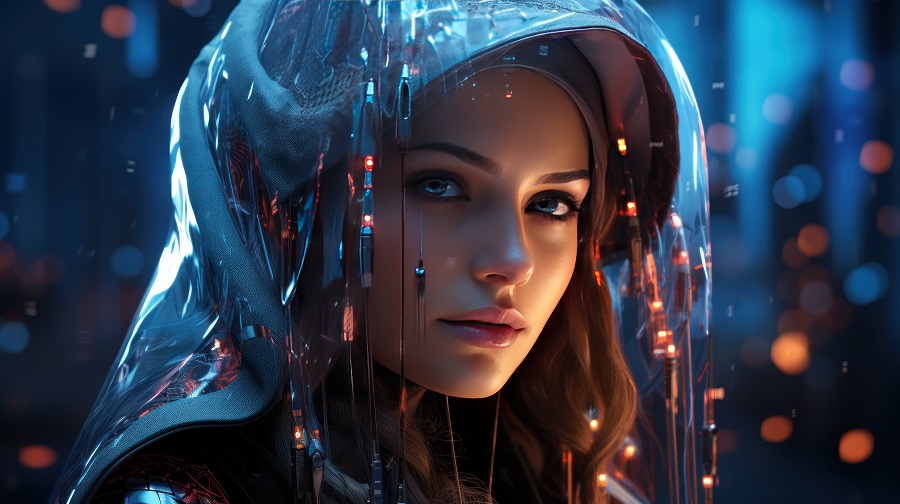
With the evolution of photorealistic image creation, digital companions have entered a new era of personalization and creativity. Individuals are now empowered to design outfits, tailor unique poses, and curate distinct aesthetics for their AI-generated virtual girlfriends. This process is about much more than selecting a fashionable dress or the latest pair of shoes—it centers on aesthetic customization and the artful balance between realism and imagination.
Why focus on outfits and styling for AI girlfriends?
Aesthetic customization plays a pivotal role in ensuring that virtual companions reflect the preferences and personalities envisioned by users. Through thoughtful apparel choices and strategic pose selection, each character becomes both memorable and unique, standing out in the growing world of realistic virtual companions.
The visual presentation unlocks endless opportunities for outfit inspiration and editing. Free from the limitations of the real world, creators can experiment with daring trends, layer different textures, and embrace bold fashion style mixing and matching. This creative freedom supports the emergence of truly distinctive photorealistic characters. For those interested in exploring comprehensive platforms for this purpose, consider using https://www.kupid.ai/create-ai-girlfriend for advanced customization options.
Key steps in designing photorealistic outfits and styles
Crafting an authentic AI-generated outfit design involves several foundational elements. By focusing on these details, every virtual character comes to life as more than just a static model—each one becomes a believable and engaging companion.
Attention to detail is crucial, from the initial body type and physical attribute selection to the refinement of accessories and makeup. Leveraging current technology helps achieve tailored, vibrant results that feel both modern and realistic.
Understanding body type and physical attributes
Selecting the overall body structure is the first step. The success of photorealistic image creation relies on accuracy: height, silhouette, and body proportions all contribute to authenticity. Whether the preference leans toward athletic, petite, or curvy frames, matching clothing and accessories to these details ensures natural results.
Physical attribute selection encompasses skin tone, posture, and those subtle features that set each avatar apart. With the help of virtual try-on technology, adjustments become seamless, allowing each character to evolve from a simple template into a lively, unique presence.
Choosing hairstyle, hair color, and eye details
Hairstyle and hair color options are powerful tools for personalizing an AI companion’s appearance. From sleek bobs to intricate braids, and from natural tones to bold, trending shades, the possibilities are endless for expressing individuality.
Details such as eye color and facial features add emotional resonance. Expressive eyes, carefully shaped brows, and subtle facial nuances all work together to enhance realism and make each character truly engaging.
Creative approaches to photorealistic outfit design
Designing for photorealism means more than replicating outfits from magazines. Every element—from fabric texture to how clothing fits—should highlight personality and style. Using virtual try-on technology allows for quick previews and easy adjustments, ensuring that each layer, accessory, and detail aligns perfectly.
Experimentation is key. Blending vintage with modern, layering unexpected pieces, or pairing contrasting colors can result in signature combinations that make any character stand out.
Mixing and matching fashion styles
With advanced outfit inspiration and editing tools, creative boundaries expand. Mixing sporty elements with elegant pieces or combining streetwear with classic silhouettes can produce striking, memorable looks. Fashion style mixing and matching is an avenue for endless exploration and self-expression.
Accessories further elevate each outfit. Items like hats, jewelry, or scarves introduce texture and hint at personality, transforming every look into a mini narrative.
Selecting the right pose and scene context
Styling does not end with clothing. Carefully chosen poses bring energy and context to each image. Natural stances, lively gestures, and well-angled limbs give the impression of movement and emotion.
The scene matters as well. Placing characters in cozy interiors, bustling cityscapes, or whimsical fantasy settings reinforces chosen themes. Thoughtful use of lighting and shadow deepens realism, making each scene immersive.
Quick tips for styling and exporting your AI-generated images
Maximizing the potential of photorealistic AI-driven tools is all about clear goals and efficient workflow. Consider these practical tips to streamline the process without sacrificing quality:
- Create reference boards to gather inspiration for looks, poses, and backgrounds before starting the design.
- Edit in layers, keeping backgrounds, outfits, and facial features separate for easier adjustments.
- Maintain consistent scale among all elements to preserve realism in the final image.
- Export images at high resolution with transparent backgrounds for versatile use and crisp detail.
- Check that lighting and shadows remain coherent across all components for a polished appearance.
Even after exporting, creations can evolve as trends shift or personal preferences change. Keeping project files organized ensures future edits are simple and efficient.
Exploring next-level aesthetic customization
Those seeking advanced results take advantage of features like micro-adjustments to facial expressions, precise hand positioning, and dynamic interaction with props. Utilizing pose libraries or AI-assisted recommendations injects fresh inspiration and greater variety into each session.
Some creators build entire style collections or visual narratives, using subtle changes in makeup, outfit tones, and emotional expressions to convey different moods. This approach helps each photorealistic virtual companion embody genuine individuality and presence.
Ready to elevate the next project? Dive into these techniques and let each AI girlfriend become a standout character—full of style, personality, and life.